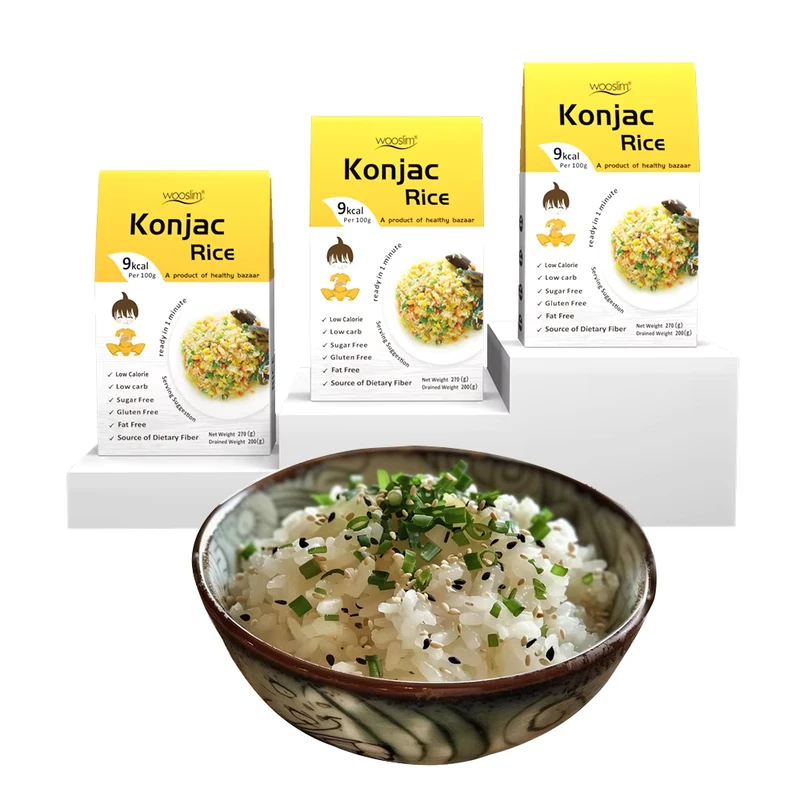

Compare three konjac formats for pasta alternatives, instant meal shelves, and spicy hot pot ranges in international wholesale markets.
Konjac is no longer limited to one noodle format. For importers and food distributors, it can support several consumption occasions—from home-cooked pasta alternatives to seasoned convenience meals and hot pot products. The right choice depends on preparation method, flavor profile, pack size, and the expectations of the target market.
A Neutral Base for Flexible Recipes
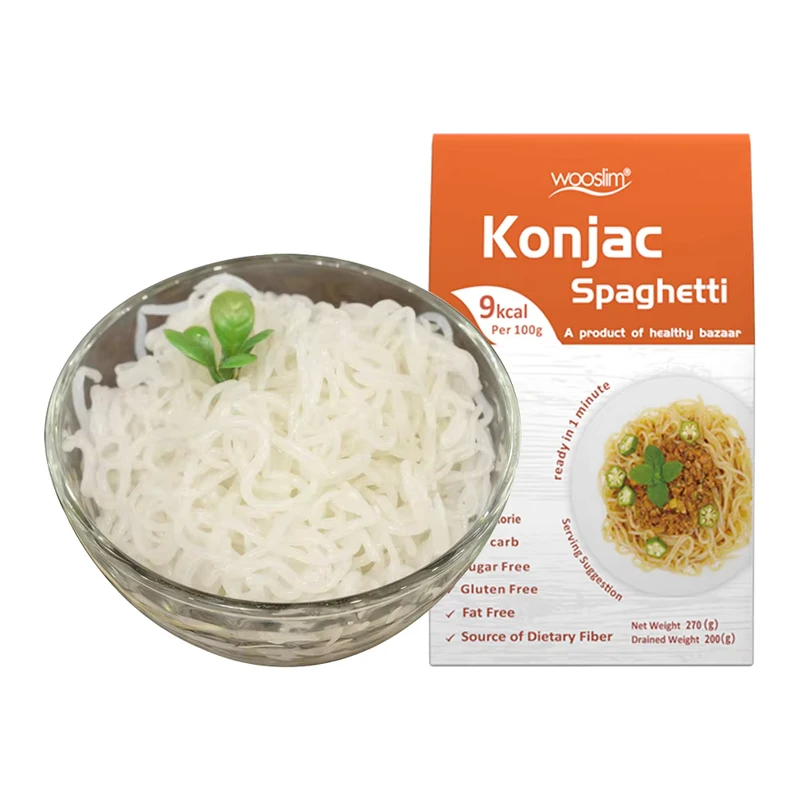
Fresh shirataki noodles offer a tasteless, pre-cooked base that can absorb sauces, broths, and seasonings. The 50g specification contains water and konjac powder, provides 9 kcal per 100g, and has a stated shelf life of 16 months when stored in a dry, cool place. This format can suit retailers serving shoppers looking for low-carbohydrate, gluten-free, and zero-sugar pasta alternatives.
Convenience and Flavor-Led Options
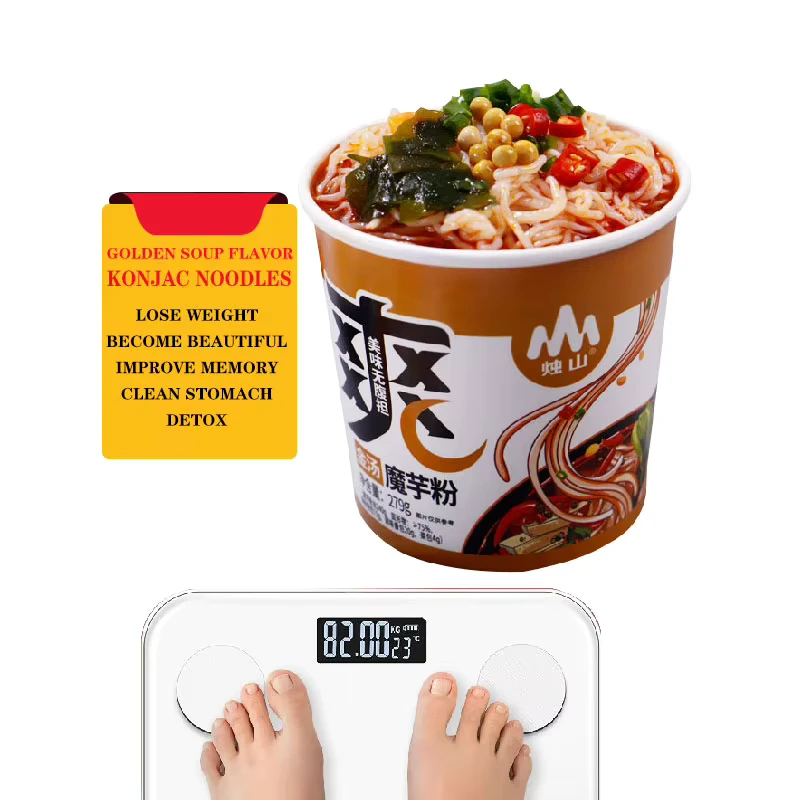
For instant-food shelves,golden soup vermicelli combines konjac noodles with a seasoning packet. The 279g bag is prepared with boiling water and has a stated one-year shelf life at room temperature. Its prepared flavor and straightforward serving method make it relevant to convenience stores, online food sellers, and distributors building quick-meal assortments.
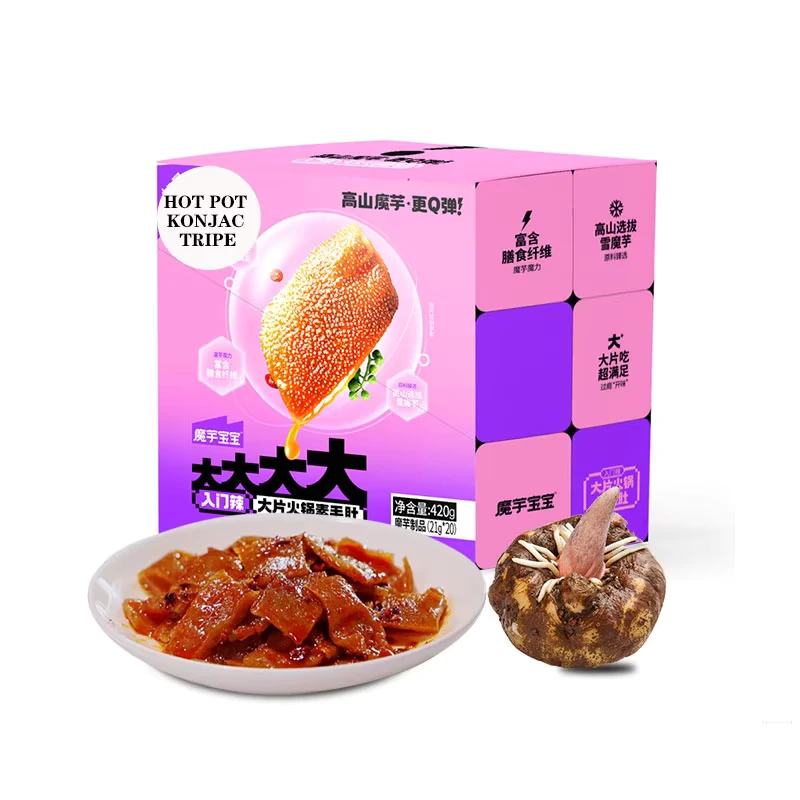
Spicy konjac tripe provides a different texture and eating occasion. Supplied as a cooked 420g boxed product, it is slightly spicy, designed to be opened and eaten, and carries a stated 12-month shelf life at room temperature. The tripe-style format may appeal to hot pot channels and buyers seeking plant-based, low-fat, low-carb products beyond conventional noodles.
Buyers can explore the wider carbohydrate range and compare specifications, ingredients, storage conditions, and labeling requirements before selection. Contact us to discuss destination-market needs, order planning, and the most suitable konjac format for your distribution portfolio.